Why Contracting a Residential Electrician Is Indispensable for Home Safety!
Retaining a residential electrician is necessary for protecting home welfare. Countless homeowners diminish the complexities of power infrastructure. DIY projects can produce serious risks, like electrical fires or shocks. Licensed electrical technicians supply necessary skills, verifying compliance with local standards and safety requirements. The outcomes of bypassing proper electrical work can be serious. Understanding the necessity of professional aid can generate a considerable change in home security. What concrete rewards can these experts present?
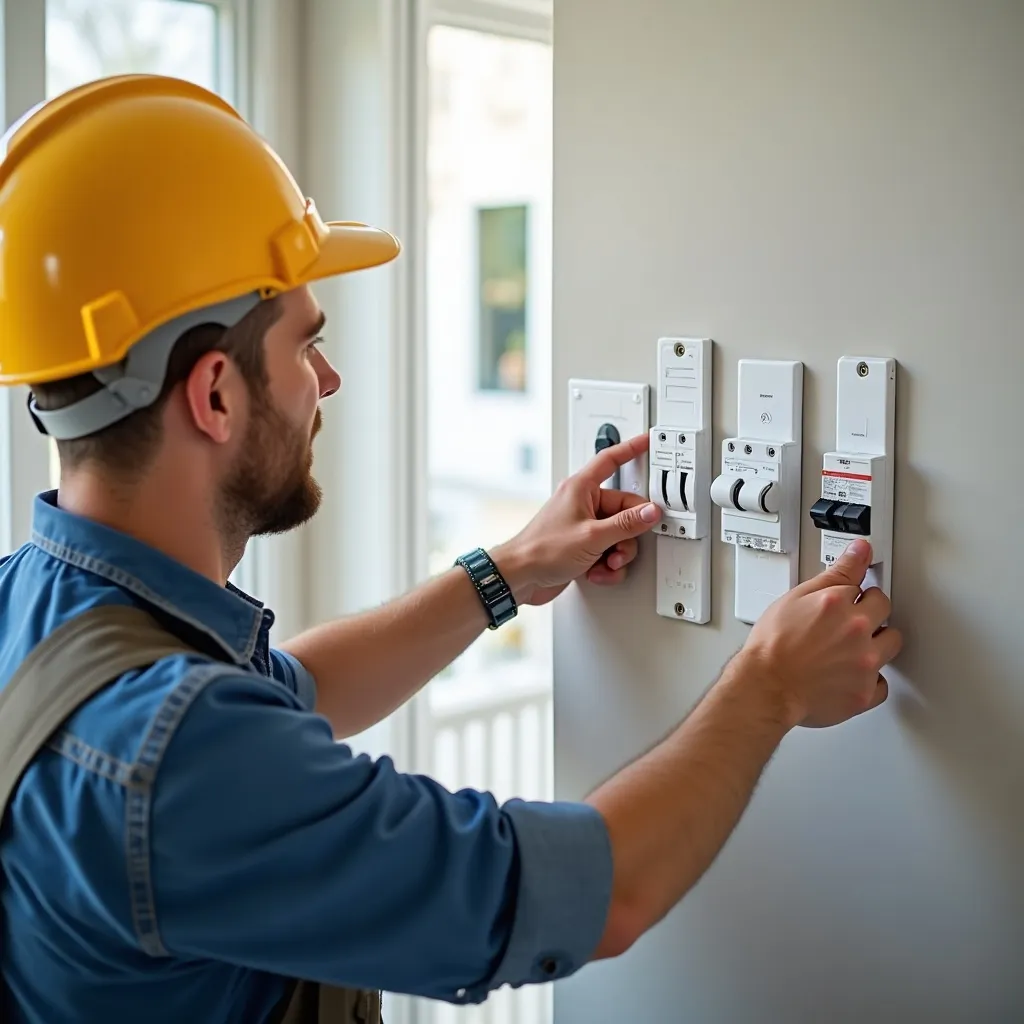
Understanding the Dangers of DIY Electrical Work
Engaging in DIY electrical work can appear appealing to homeowners hoping to reduce costs, but it brings major risks. Many people misjudge the intricacy of electrical systems, often leading to faulty repairs or installations. This lack of professional competence can lead to electrical failures, blazes, or shock injuries, imperiling both the occupant and their home.
Furthermore, DIY endeavors may not adhere to local building codes, which could lead to legal complications or costly fines.
In addition, lacking the necessary tools and protective equipment, residents may expose themselves to unsafe conditions. Even seemingly simple tasks, such as replacing a light fixture, can have unforeseen complications if not done properly.
The potential for long-term damage to the home's wiring infrastructure is also a worry.
The Proficiency That Protects Your Home Safe
When addressing home security concerns, a residential electrician's knowledge proves paramount.
They conduct detailed safety examinations, making sure all systems are functioning correctly and comply with regulatory standards.
Moreover, their knowledge of code standards and skilled troubleshooting competencies avert potential threats before they evolve into serious issues.
Comprehensive Safety Inspections
A detailed safety assessment executed by a certified residential electrician is vital for maintaining a safe home environment. During this procedure, electricians evaluate electrical systems, electrical outlets, and electrical panels to uncover potential hazards.
They review for aged equipment that may present fire risks or result in electrical failures. Additionally, they inspect the grounding and bonding systems to guarantee they meet safety standards.
By detecting problems such as overloaded circuits or faulty wiring, electricians provide homeowners with actionable insights to mitigate risks. These inspections not only enhance safety but also boost energy efficiency, potentially reducing utility bills.
In the end, consistent safety inspections protect both the home and its occupants, assuring a dependable electrical system that performs optimally.
Code Standards Confirmation
Code compliance assurance plays a vital part in ensuring the safety and reliability of residential electrical systems.
Experienced electricians command local, state, and national electrical codes, which are arranged to offer safeguards to homeowners from conceivable threats. These codes detail various aspects, such as wiring methods, circuit protection, and grounding techniques, all mandatory for safe operation.
By adhering to these regulations, electrical professionals reduce the risk of fire hazards, electrical shock, and system malfunction. Moreover, standards compliance is often a mandate for homeowner's insurance and can impact home value.
Homeowners who engage a professional electrician ensure that their electrical installations comply with necessary standards, providing peace of mind and a safer living environment.
Professional Issue-Resolution Competencies
Electrical systems might run into problems despite observing safety codes. When difficulties surface, expert diagnostic skills become imperative.
Residential electricians have advanced expertise and qualifications that enable them to detect problems efficiently, often prior to becoming serious hazards. Their capacity to examine complex wiring systems and diagnose issues guarantees that homeowners are not left in the dark—literally and figuratively.
These professionals utilize advanced tools and techniques to identify issues, whether it's a flickering light or a blown circuit. By addressing these concerns promptly, they not only return systems to working order but also improve the overall safety of the home.
Ultimately, relying on a professional electrician for troubleshooting serves as a preventive measure toward protecting both residents and property.
Finding the Appropriate Home Electrician
Picking the ideal home electrician calls for close examination of several key factors.
Property owners should check credentials and licenses to guarantee compliance with local regulations.
Also, evaluate the electrician's qualifications and abilities, and obtain comprehensive estimates for complete transparency.
These steps assist with creating an well-reasoned choice that prioritizes safety and quality.
Verify Qualifications And Licenses
Upon engaging a residential electrician, it is vital to confirm their credentials and licenses to guarantee adherence with local regulations and industry standards. This step ensures that the electrician has undergone the necessary training and possesses the knowledge required for secure and efficient electrical work.
Validating proper licensing safeguards homeowners from potential liabilities and guarantees that the electrician observes safety protocols. Additionally, confirming credentials can help pinpoint professionals who keep pace with the latest industry practices and technologies.
Homeowners should request proof of insurance and verify that the electrician holds any necessary credentials. Implementing these measures not only improves security but also builds confidence in the quality and reliability of the electrical services provided.
Analyze Experience And Capability
Determining the competence and experience of a home electrical specialist is essential for achieving high-quality workmanship. A accomplished electrical professional regularly brings a rich reservoir of expertise gained through years of practical field experience. This background enables them to handle assorted electrical configurations and resolve technical problems effectively.
Prospective clients ought to inquire about the electrician's specific areas of expertise, such as residential wiring, lighting installations, or electrical repairs. Moreover, learning about the types of projects they have previously completed can provide insight into their capabilities.
Client feedback and ratings from past customers can also act as useful guides in evaluating reliability and quality of service. By carefully assessing an electrician's qualifications and proficiency, homeowners can make informed decisions that stress safety and performance.
Obtain Detailed Quotes
How can property owners ensure they receive competitive rates and excellent workmanship when hiring a home electrical contractor? One proven approach is to request detailed estimates from multiple electricians.
This procedure not only assists in assessing costs but also gives insights into the scope of work involved. Homeowners should make certain that estimates cover labor, materials, and any additional fees. A honest estimate indicates the electrician's professionalism and commitment to communication.
Additionally, it permits homeowners to ask about any unclear charges, encouraging a deeper understanding of the project. By securing multiple estimates, homeowners can reach sound decisions, consequently guaranteeing they contract with a qualified residential electrician who fulfills their needs while maintaining safety standards.
Primary Electrical Concerns Most Addressed by Technicians
When electrical issues arise in a home, it's essential to identify which issues demand expert knowledge. Common electrical problems that should be entrusted to qualified electrical professionals include frequent circuit breaker trips, which may suggest overloads or faulty wiring.
Flickering lights may point to substantial complications, including defective links or aging electrical systems. Additionally, outlets that feel warm or produce a scorched odor create major fire hazards and require prompt examination.
One more concern is the setup of new electrical systems or fixtures, which often demands compliance with local codes and safety standards. Homeowners should also seek professional help for any electrical tasks involving the main service panel, as slip-ups in this area can result in dangerous situations.
Why Following Codes Is Important for Safety
Confirming that electrical installations adheres to code compliance is essential in maintaining safety within home environments. Electrical codes are set forth to minimize hazards such as fires, electrocution, and property damage. These regulations are developed based on extensive research and industry standards, reflecting the latest industry safety standards.
When homeowners hire a residential electrician, they benefit from the professional's expertise in handling these codes, guaranteeing all installations and repairs are in compliance.
Non-compliance can result in dangerous situations, including defective electrical systems and inadequate grounding, which may not only create risks to inhabitants but also affect policy protection. Additionally, properties that do not meet code standards can face penalties or problems during real estate transactions.
Ultimately, adhering to electrical codes is crucial for protecting lives and property, accentuating the necessity of engaging qualified electricians for all electrical work.
Maximize Long-Term Financial Benefits with Professional Installations
Investing in professional electrical installations can yield major budget advantages for homeowners. Skilled electricians guarantee that all wiring and systems are completed with precision, decreasing the odds of pricey maintenance and new installations due to substandard workmanship. By adhering to safety codes and incorporating top-tier materials, professionals minimize the risk of electrical hazards, which can lead to high-cost deterioration or even uncontrolled fires.
Also, efficient energy technologies can reduce utility bills over time. For instance, transitioning to energy-saving lighting and equipment can result in noteworthy savings on electricity costs. Additionally, professional electricians can share expertise on streamlining electrical operations for better efficiency.
Ultimately, although the early expense of hiring a qualified electrician may appear costlier than a DIY approach, the future benefits—like lower maintenance charges and cheaper energy bills—substantially exceed the upfront outlay.
Homeowners can defend their economic security and homes by prioritizing licensed electrical work.
The Assurance That Results From Professional Expertise
Peace of mind often follows the decision to hire a professional electrician. Homeowners can feel secure knowing that their electrical systems are in the hands of skilled technicians who grasp the complexities of wiring, circuits, and safety regulations.
Professional electricians have the necessary certifications and experience to detect potential hazards, guaranteeing that installations and repairs comply with safety standards.
Moreover, hiring a professional minimizes the risk of electrical failures that could lead to dangerous situations such as fires or electrical injury. The reassurance that a qualified individual has handled the work allows homeowners to focus on their daily lives without worrying about unknown hazards.
Furthermore, numerous skilled electricians offer warranties for their services, further boosting the sense of security.
Ultimately, trusting a skilled electrician not only protects your home but also creates a stress-free atmosphere, allowing families to thrive without the weight of unresolved electrical issues.
Commonly Addressed Questions
How Do I Locate a Qualified Residential Electrician?
To locate a skilled residential electrician, one should check for valid licensing, insurance, and testimonials. Additionally, assessing digital ratings and obtaining referrals from close contacts can help confirm the electrician's trustworthiness and skill.
How Can I Recognize the Red Flags of Electrical Problems in My Home?
Indicators of electrical problems consist of flickering lights, circuit breakers that trip, outlets becoming warm, burning smells, and discolored switches. Odd noises coming from outlets or appliances could also mean possible problems requiring immediate action from a trained electrician.
How Regularly Should I Have My Electrical System Checked?
Property owners should get their electrical systems examined every three to five years. Routine inspections help spot possible concerns early, ensuring safety and efficiency while lowering dangers associated with outdated or faulty electrical components in the home.
Am I Able of Completing Minor Electric Repairs by Myself?
While minor electrical repairs may appear doable, it's recommended to contact an expert. Inadequate expertise can cause safety hazards, potential code violations, or costly damage, highlighting the necessity for expert assistance for electrical tasks.
What Can I Perform in Scenario of an Electric Emergency?
If an electrical crisis discover more occurs, you should immediately turn off the power at the circuit breaker, avoid contact with live wires, and contact a qualified electrician for assistance. Safety should always be the top priority.